
Did you know that a professional exterior paint job can yield a return on investment (ROI) of up to 55 percent while serving as your property’s primary shield against the elements? Your home’s outward appearance is the first thing people notice and functions as the initial line of defense against nature. Because of this, investing in the right paint is crucial to maintaining your building’s structural integrity and value.
However, not all paints are created equal. Blistering heat, high humidity, and torrential rain can quickly degrade low-quality coatings. This environmental stress leads to peeling, fading, and expensive water damage. Choosing the correct exterior paint formulation is the best way to ensure your house exterior remains beautiful and sound for years to come.
Do not let a subpar paint application leave your building vulnerable to the elements. Read our comprehensive guide to exterior painting below to discover exactly what this process entails, explore the different types of coatings available, and learn how to properly prepare for your next major painting project.
What is Exterior Painting? (Definition & Purpose)
Exterior painting involves applying specialized coatings to the outside surfaces of a building to protect the structural materials and enhance visual appeal. Manufacturers engineer these paints specifically to withstand constant exposure to environmental factors.
The Role of Paint Formulation
Every bucket of paint contains four main ingredients: pigments for color, solvents to keep the mixture liquid, additives for special properties, and resins to bind the pigment to the wall. The specific paint formulation dictates how the product will perform outdoors. Manufacturers adjust the resins to remain flexible after drying, allowing the paint to expand and contract as the building heats up and cools down. They also incorporate specific additives that resist ultraviolet (UV) sunlight and prevent mildew growth.
Why Exterior Painting is Essential
Leaving an exterior surface bare or applying the wrong coating invites rapid deterioration. Exterior painting is crucial for protecting structural materials like stucco, wood, concrete, and brick from invasive water damage. Moisture penetration can lead to wood rot, crumbling concrete, and widespread mold infestations. A high-quality exterior paint acts as a waterproof barrier. It also shields the materials from intense UV rays that cause fading and chalking, preserving the natural environment of your home and elevating its architectural style.
Interior vs Exterior Paint: What is the Difference?
You might assume that leftover paint from a living room renovation will work perfectly well on a backyard shed. The reality is that interior and exterior painting rely on completely different chemical makeups. Understanding the difference between exterior and interior paint will save you from costly mistakes.
Formulation Differences
The primary distinction between interior and exterior paint lies in the choice of resin. Because indoor walls occupy climate-controlled spaces, they do not experience dramatic temperature shifts. Manufacturers formulate interior paints with rigid resins that resist smearing, scuffing, and regular scrubbing. They also contain very low levels of volatile organic compounds (VOCs) to preserve indoor air quality.
Outdoor walls face a constantly changing climate. Exterior paints require much softer, more flexible resins that can stretch. They also contain heavy-duty chemical additives designed to combat harsh weather, fading, and fungal growth.
Why You Shouldn’t Mix Them
Swapping these products leads to immediate problems. Applying interior paint outdoors is a recipe for disaster. Without UV-blocking additives and flexible resins, the coating will quickly chalk, crack, and peel under the sun and rain.
Conversely, you must never use exterior paint inside your home. The chemicals used to prevent mildew, along with the specific resins, release high levels of VOCs as they cure. This outgassing process can continue for a long time, introducing toxic fumes into enclosed spaces and creating severe health risks.
Different Types of Paint for Your House Exterior
Selecting the right product involves understanding the chemistry behind the color. Modern paint products generally fall into three main categories.
Acrylic Paint
A 100% acrylic paint is widely considered the highest standard for outdoor use. Made from pure acrylic resins, this type of paint offers exceptional paint adhesion and durability. Its highly flexible nature allows it to easily expand and contract with changing temperatures, preventing surface cracking. Acrylic paint retains its color beautifully under direct sunlight and resists blistering. Because of its superior moisture resistance and breathability, it is the ideal choice for tropical climates like Singapore.
Latex Paint
Latex paint is another water-based option that utilizes a blend of acrylic and vinyl resins. It shares many benefits with pure acrylics, including an incredibly fast drying time and easy cleanup using just soap and water. While slightly less durable than a 100% acrylic formulation, high-quality latex paint provides excellent coverage for general exterior wall painting. It remains a popular, cost-effective option for large residential properties.
Oil-Based Paint
Oil-based paint utilizes natural oils or synthetic alkyds as a binder. This creates an incredibly hard, smooth, and long-lasting paint finish. Oil-based formulas are highly resistant to water, making them suitable for high-moisture areas. Professional painters often reserve them for high-traffic exterior doors, trim, and metal railings. The main drawbacks include a very slow drying time, strong odors, and a tendency to become brittle and crack over many years of sun exposure. You also must consider the paint sheen, as oil-based high-gloss finishes can highlight wall imperfections.
Choosing the Right Exterior Paint for Your Painting Project
A successful renovation depends heavily on matching the exact product to your unique property conditions. You must choose the right paint based on several localized factors to ensure a lasting finish.
Evaluating Weather Conditions
Your local climate dictates your painting needs. Areas experiencing heavy rain and high humidity require highly moisture-resistant, breathable paints that prevent trapped water from bubbling the surface. Regions with intense heat demand UV-resistant formulas that prevent rapid color fading. Taking these environmental stressors into account ensures you select the right exterior paint.
Surface Before Painting
The material you are covering plays a massive role in product selection. Porous materials like bare wood and concrete absorb moisture quickly and need flexible, breathable coatings. Stucco requires heavy-duty elastomeric or high-quality exterior paint to bridge tiny gaps and repel rain. Aluminum and vinyl siding need specific 100% acrylic blends that will not warp the siding by absorbing too much heat.
The Importance of Primer
Applying a high-quality primer is a non-negotiable step for a flawless finish. Primer acts as the crucial bonding layer between the raw wall and the topcoat. It seals porous surfaces, blocks old stains from bleeding through, and provides an even base for the new color. Using a specialized primer dramatically increases paint adhesion and extends the lifespan of the entire paint job.
Key Considerations for Painting Your Home Exterior
Executing a flawless exterior renovation requires careful planning and specialized knowledge. Review these crucial considerations for painting before picking up a brush.
Proper Preparation
Applying expensive paint over a dirty wall is a waste of resources. Proper painting techniques always begin with rigorous surface preparation. You must scrape away all peeling paint, repair damaged wood or cracked concrete, and treat any existing mildew. Thoroughly cleaning the wall with a pressure washer removes dirt, chalk, and grime, ensuring the new coating adheres perfectly to the substrate.
Weather Timing
The application of paint requires specific atmospheric conditions. High humidity drastically slows down the drying process, while extreme heat can force wet paint to dry too quickly and blister. Rain can completely wash away a fresh coat before it cures. Always check the forecast and schedule painting work during dry, mild weather to achieve the best results.
Hiring Professional Painting Services
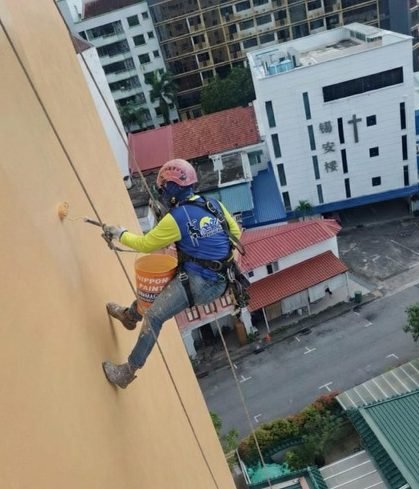
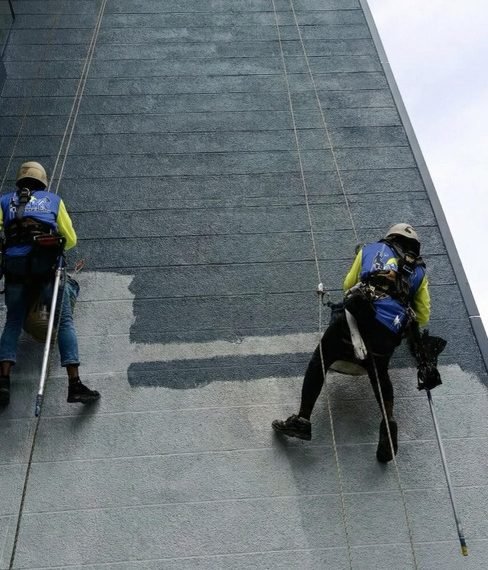
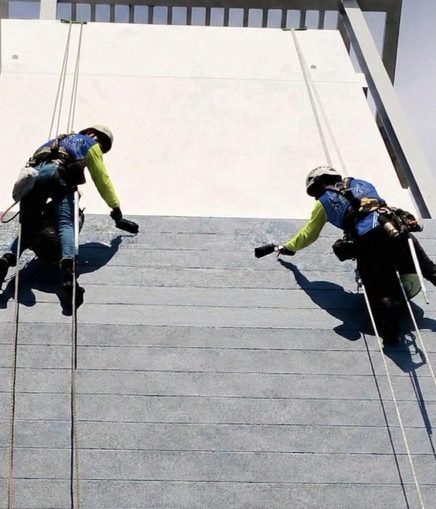
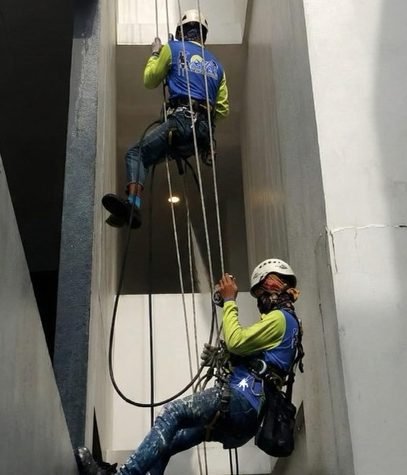
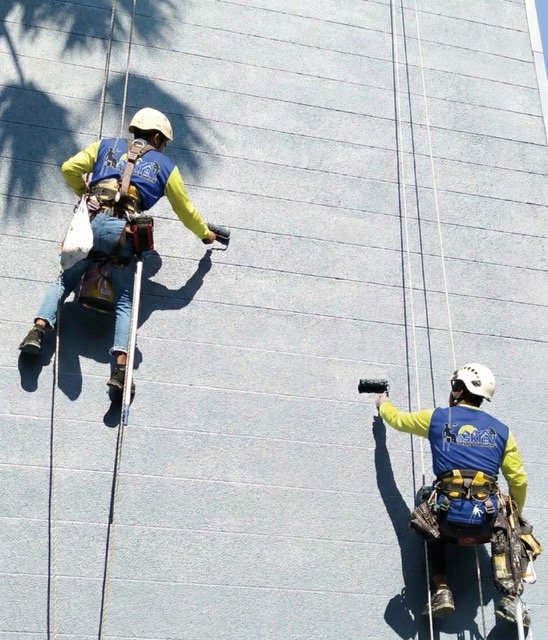
While a small garden shed might make a good weekend project, painting the entire exterior of a residential or commercial building is a massive undertaking. Multi-story properties and complex architectural designs require professional painters. High-rise industrial or commercial buildings specifically benefit from experts trained in safe, scaffold-free rope access. Hiring professionals guarantees proper surface preparation, the correct application of specialized coatings, and safe execution from start to finish.
Protect Your Property with Professional Exterior Painting
A pristine exterior goes far beyond aesthetic appeal. It is a critical investment in the longevity, safety, and value of your property. By understanding the distinct differences between interior and exterior formulations, selecting the ideal product for your building materials, and executing proper surface preparation, you can shield your property from the harshest weather conditions.
When it comes to painting the exterior of your property, safety, quality, and durability are paramount. As the best Exterior Painting Contractor in Singapore, Skyproof Roofing Pte Ltd provides specialized rope access exterior painting and waterproofing solutions. Whether you need to refresh a residential landed home or protect a high-rise commercial building from Singapore’s harsh climate, our trained professionals are ready to help. Contact us today for a free consultation!
Frequently Asked Questions
1. What is the main difference between interior and exterior paint?
Interior paint is formulated to withstand scrubbing and resist stains, using rigid resins. Exterior paint uses flexible resins to expand and contract with temperature changes and includes additives to resist UV rays, mildew, and harsh weather.
2. Can I use interior paint outside?
No. Interior paint lacks the heavy-duty resins and UV-blocking additives required for exterior use. If used outside, the paint will quickly fade, chalk, and peel due to sun and water damage.
3. Can I use exterior paint inside my house?
It is not recommended. Exterior paints contain higher levels of Volatile Organic Compounds (VOCs) and anti-mildew chemicals that can release harmful fumes into enclosed indoor spaces, compromising your indoor air quality.
4. What is the best type of paint for an exterior wall?
100% acrylic paint is generally the best choice for exterior walls. It offers superior adhesion, retains its color well under sunlight, and remains flexible enough to prevent cracking as temperatures fluctuate.
5. How long does a typical exterior paint job last?
A high-quality exterior paint job typically lasts between 5ando 10 years. Longevity depends on the climate, the quality of paint products used, surface preparation, and the type of siding (wood, concrete, or stucco).
6. Why is exterior painting crucial in Singapore?
Singapore’s tropical climate features intense heat, high humidity, and heavy rainfall. Regular exterior painting provides crucial waterproofing and prevents structural deterioration, mold, and severe water damage to the building.
7. Do I need to use primer before applying exterior paint?
Yes. Applying a primer is crucial, especially on unpainted surfaces, porous materials, or when painting over dark colors. Primer ensures better paint adhesion, seals the surface, and extends the life of the topcoat.
8. What is the normal drying time for exterior paint?
Latex and acrylic paints typically dry to the touch in 1 to 2 hours and can be recoated in 4 to 6 hours. Oil-based paints require a longer drying time, often taking 6 to 8 hours to dry to the touch and 24 hours before recoating.
9. How does weather affect an exterior painting project?
High humidity slows down drying times, while extreme heat can cause paint to dry too quickly and blister. Rain can wash away freshly applied wet paint. It’s best to paint during dry, mild weather conditions.
10. What happens if I use low-quality exterior paint?
Low-quality exterior paint lacks sufficient binders and pigments. It will succumb to harsh weather quickly, leading to premature fading, chalking, peeling paint, and ultimately costing you more in frequent repainting services.